
Osteocondral Defects
Osteochondral Defects – Diagnosis & Treatment by Dr. Yogish Vijaya Kumar
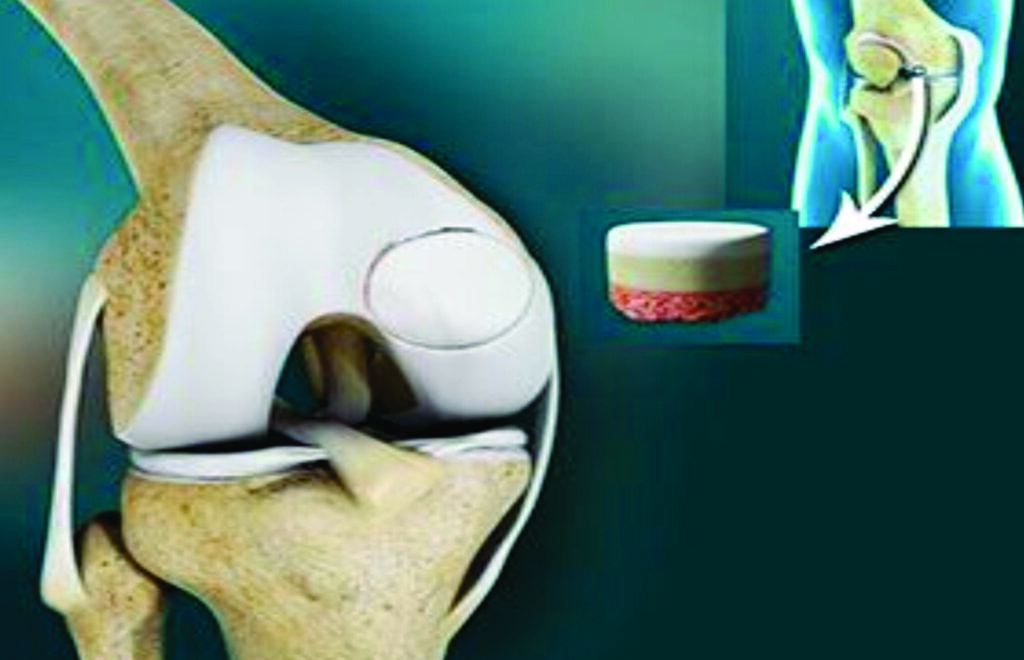
Best Osteochondral Treatment in JP Nagar - Advanced Cartilage Restoration
Osteochondral defects (OCDs) are injuries involving both the cartilage and the underlying bone in a joint, most commonly the knee. These defects can result from trauma, repetitive stress, or a lack of blood supply (osteochondritis dissecans), and can significantly affect joint function and mobility. At the clinic of Dr. Yogish Vijaya Kumar, a skilled orthopaedic and sports injury specialist, patients receive comprehensive evaluation and advanced treatment options tailored to restore joint health and improve long-term outcomes.
What Are Osteochondral Defects?
An osteochondral defect refers to damage in the smooth cartilage that covers the ends of bones, along with a portion of the underlying bone itself. These defects are typically found on the femoral condyles in the knee and may cause symptoms such as:
Persistent knee pain
Swelling after activity
Locking or catching of the joint
A feeling of instability or giving way
Without timely treatment, these lesions can progress, leading to early-onset arthritis and chronic joint degeneration.
Diagnosis
Dr. Yogish conducts a detailed clinical examination, supported by advanced imaging such as MRI and X-rays, to assess the size, depth, and location of the defect. Proper diagnosis is critical for determining the best course of treatment.
Treatment Options
Treatment depends on the severity of the defect, patient’s age, activity level, and overall joint health:
Conservative Management: Small, stable lesions may respond to rest, physiotherapy, and medications.
Surgical Options:
Microfracture Surgery: Stimulates new cartilage growth by creating tiny holes in the bone beneath the defect.
Osteochondral Autograft Transfer (OATS): Transfers healthy cartilage and bone from a non-weight-bearing area to the damaged site.
Osteochondral Allograft: Uses donor tissue for larger defects.
Autologous Chondrocyte Implantation (ACI): A two-stage procedure using the patient’s own cartilage cells to repair the defect.
Dr. Yogish specializes in minimally invasive arthroscopic techniques that reduce recovery time and promote faster healing.
Recovery and Rehabilitation
Post-operative recovery varies by procedure but often includes:
Joint protection and limited weight-bearing
Structured physiotherapy
Gradual return to normal activity over 3–6 months
Why Choose Dr. Yogish Vijaya Kumar?
With deep expertise in cartilage repair and joint preservation, Dr. Yogish is committed to helping patients return to pain-free, active lives. His personalized treatment plans and advanced surgical techniques ensure the highest standards of care.
Osteochondral defects can cause severe joint pain and mobility issues, especially when the cartilage and underlying bone are damaged. At Dr. Yogish Vijaya Kumar’s clinic in JP Nagar, we offer advanced osteochondral treatment using cutting-edge techniques to restore joint health. Our expert team specializes in cartilage regeneration and joint repair, ensuring long-term relief and mobility for patients. With a focus on personalized care and state-of-the-art robotic orthopedic surgery, you can trust us to provide the best osteochondral treatment for your needs.
Book a consultation today to explore the most effective treatment for your osteochondral defect.
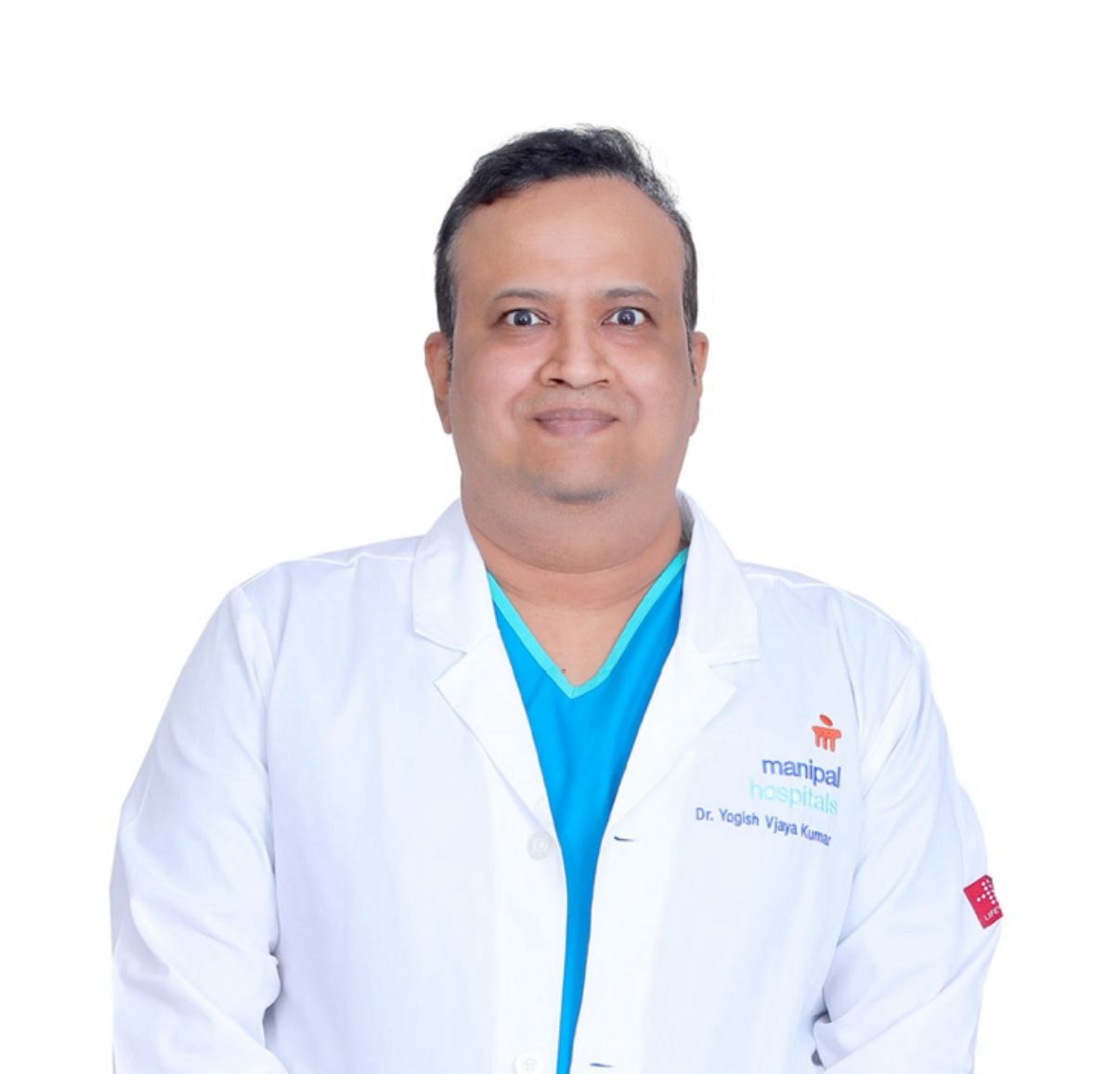
Dr. Yogish Vijaya Kumar
Senior Consultant – Orthopaedic & Robotic Joint Replacement Surgeon Specialist in Sports Injuries | Geriatric Orthopedics

What Our Client Says
Trustindex verifies that the original source of the review is Google. Nidhi and Dr Yogish were amazingly cooperative. It was a wonderful experience it was very first time surely will recommend. Thank you doctor and Nidhi was waiting for us and treating my parents. Really appreciatedTrustindex verifies that the original source of the review is Google. My father and mother have been treated by Dr Yogesh for their knee surgery. We could see amazing result post surgery and 100% satisfactory one. We are lucky to have such doctors and best asset to Manipal hospital..Trustindex verifies that the original source of the review is Google. Very balanced matured and gives appropriate treatment. May god bless the teamTrustindex verifies that the original source of the review is Google. Hands down the best orthopaedic surgeon I've ever met. Very polite and enormously knowledgeable. He operated on my mother's ACL tear and answered all our questions with patience. He was very helpful during the post-op procedures as well. I hope a lot more people benefit from you. God bless you. 🙏Trustindex verifies that the original source of the review is Google. Had a good experience with Dr Yogish... He rightly diagnosed the backache.. Highly recommended
based on 21 reviews