
Revision for Aseptic Loosening/Infection of hip & knee replacements
Infection Expert Joint Revision Surgery by Dr. Yogish Vijaya Kumar
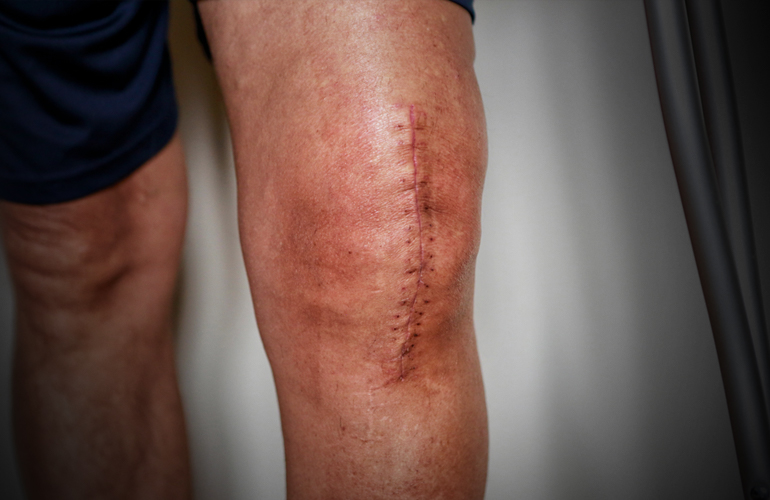
Revision Surgery for Hip & Knee Replacement Infection in Bannerghatta
Joint replacement surgeries—whether hip or knee—generally offer long-term relief and improved mobility. However, over time, some patients may experience complications such as aseptic loosening or infection, which can lead to pain, instability, or implant failure. In such cases, a revision surgery becomes necessary to restore joint function and eliminate pain. Dr. Yogish Vijaya Kumar, an expert in joint reconstruction and revision arthroplasty, offers advanced surgical solutions tailored to each patient’s needs.
What is Revision Surgery?
Revision joint replacement is a complex procedure where part or all of the previously implanted prosthesis is removed and replaced with a new one. It is typically performed to address:
Aseptic loosening: Implant becomes loose over time due to wear or poor bone integration, without infection
Periprosthetic joint infection (PJI): Bacterial infection around the implant site causing inflammation, pain, or implant failure
Recurrent dislocation, instability, or mechanical failure
Aseptic Loosening
Aseptic loosening occurs when the bond between the bone and implant wears down, often due to long-term stress, bone loss, or particle debris. It can lead to:
Persistent joint pain
Reduced function or instability
Difficulty walking or bearing weight
Dr. Yogish uses advanced imaging and diagnostic techniques to confirm loosening and plan for implant revision and bone grafting if necessary.
Infection Management
Joint infection is a serious but treatable complication. Symptoms may include:
Fever, redness, swelling
Joint pain and stiffness
Drainage from the surgical site
Depending on severity, Dr. Yogish may perform:
Single-stage revision: Removal of the infected implant and immediate placement of a new one
Two-stage revision: Implant removal, antibiotic spacer placement, followed by reimplantation after infection control
Expertise You Can Trust
Revision surgery is more complex than primary joint replacement. Dr. Yogish Vijaya Kumar has extensive experience in handling difficult revision cases using:
Custom implants and reconstruction systems
Bone grafts and augments
Meticulous debridement and infection control protocols
Computer-assisted planning for precision alignment
Regain Stability, Comfort, and Mobility
If you are experiencing persistent pain, instability, or signs of infection in a previously replaced joint, don’t wait. Timely revision surgery can restore mobility and prevent further complications.
Knee replacement infection can cause persistent pain, swelling, warmth, fever, wound discharge, or stiffness after surgery. Early diagnosis is critical to protect the implant and prevent long-term complications.
At Dr. Yogish Vijaya Kumar’s orthopedic care team, evaluation typically includes clinical examination, blood tests (infection markers), imaging when needed, and joint fluid analysis to confirm infection and plan treatment.
Treatment options may include antibiotics, surgical debridement (cleaning infected tissue), implant retention procedures in early infections, or revision knee replacement in chronic/advanced cases—based on timing, organism, and implant stability.
Book a consultation today with Dr. Yogish Vijaya Kumar for Hip and Knee Replacement Infection in Jayanagar Bangalore.
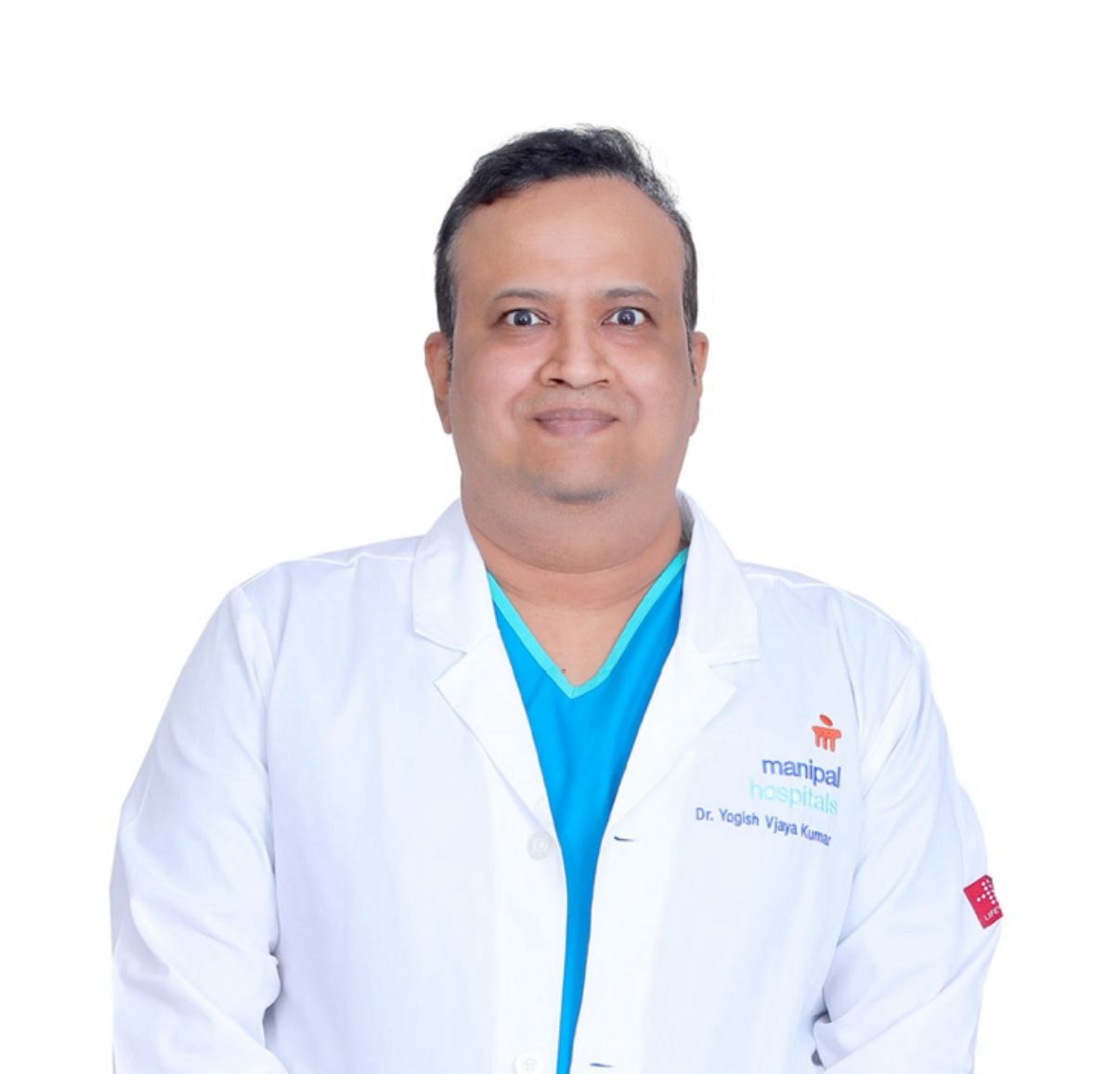
Dr. Yogish Vijaya Kumar
Senior Consultant – Orthopaedic & Robotic Joint Replacement Surgeon Specialist in Sports Injuries | Geriatric Orthopedics


What Our Client Says
Trustindex verifies that the original source of the review is Google. Nidhi and Dr Yogish were amazingly cooperative. It was a wonderful experience it was very first time surely will recommend. Thank you doctor and Nidhi was waiting for us and treating my parents. Really appreciatedTrustindex verifies that the original source of the review is Google. My father and mother have been treated by Dr Yogesh for their knee surgery. We could see amazing result post surgery and 100% satisfactory one. We are lucky to have such doctors and best asset to Manipal hospital..Trustindex verifies that the original source of the review is Google. Very balanced matured and gives appropriate treatment. May god bless the teamTrustindex verifies that the original source of the review is Google. Hands down the best orthopaedic surgeon I've ever met. Very polite and enormously knowledgeable. He operated on my mother's ACL tear and answered all our questions with patience. He was very helpful during the post-op procedures as well. I hope a lot more people benefit from you. God bless you. 🙏Trustindex verifies that the original source of the review is Google. Had a good experience with Dr Yogish... He rightly diagnosed the backache.. Highly recommended
based on 21 reviews