
Spondylosis
Regain Comfort and Movement with Expert Spine Care By Dr. Yogish Vijaya Kumar
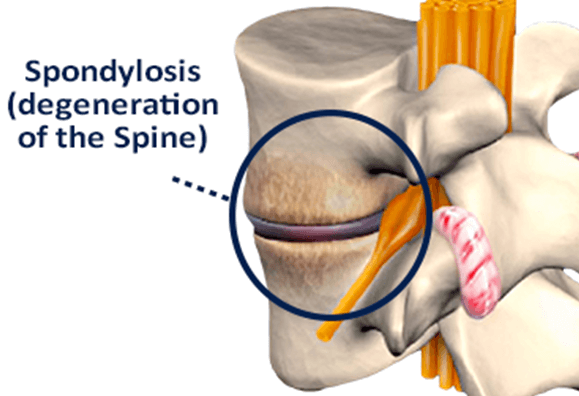
Spondylosis refers to the degeneration of the spine due to aging and wear-and-tear, affecting the vertebrae, intervertebral discs, and joints. Commonly occurring in the neck (cervical spondylosis) and lower back (lumbar spondylosis), it is one of the leading causes of chronic spine-related pain and stiffness.
Dr. Yogish Vijaya Kumar offers personalized evaluation and treatment for spondylosis with a focus on pain relief, preserving mobility, and avoiding unnecessary surgery.
What Is Spondylosis?
Spondylosis is a general term used for age-related changes in the spine. It can involve:
Disc degeneration – thinning or drying out of spinal discs
Bone spur (osteophyte) formation
Facet joint arthritis
Stiffness or reduced flexibility
Nerve compression in advanced stages
Types of Spondylosis
Cervical Spondylosis – affects the neck and may cause pain, stiffness, and numbness radiating to shoulders or arms.
Lumbar Spondylosis – affects the lower back, often causing lower back pain, leg discomfort, or sciatica.
Thoracic Spondylosis – less common, occurs in the mid-back.
Symptoms
Chronic neck or lower back pain
Stiffness, especially in the morning or after rest
Radiating pain to arms or legs (if nerves are compressed)
Tingling, numbness, or muscle weakness
Headaches (in cervical spondylosis)
Difficulty walking or balance issues (in severe cases)
Diagnosis
Dr. Yogish begins with a thorough clinical evaluation and reviews your medical history. Diagnostic tools may include:
X-rays to check bone changes or spurs
MRI/CT scans to evaluate discs and nerves
Neurological tests to assess nerve function
Treatment Options
Most cases are managed conservatively, with surgery being rarely required.
Non-surgical management includes:
Medications to relieve pain and inflammation
Physiotherapy for spinal mobility and core strengthening
Postural training and ergonomic corrections
Spinal injections like facet joint blocks or epidurals (if necessary)
Surgical intervention is considered in advanced cases involving severe nerve compression or spinal instability.
Why Choose Dr. Yogish Vijaya Kumar?
Expertise in spine care and degenerative spinal conditions
Emphasis on non-surgical and minimally invasive techniques
Tailored treatment plans and holistic recovery support
Collaborative care with physiotherapists and pain specialists
Spondylosis Treatment in Jayanagar
If you’re looking for spondylosis treatment in Jayanagar, Dr. Yogish Vijaya Kumar offers expert evaluation for neck pain, back pain, stiffness, and nerve-related symptoms. Get a clear diagnosis (clinical exam + X-ray/MRI if required) and a personalized plan including medication, posture correction, physiotherapy guidance, and advanced spine-care options—focused on long-term relief and safe recovery.
Don’t let spine stiffness limit your life.
Schedule a consultation with Dr. Yogish to manage spondylosis effectively and maintain spinal health.
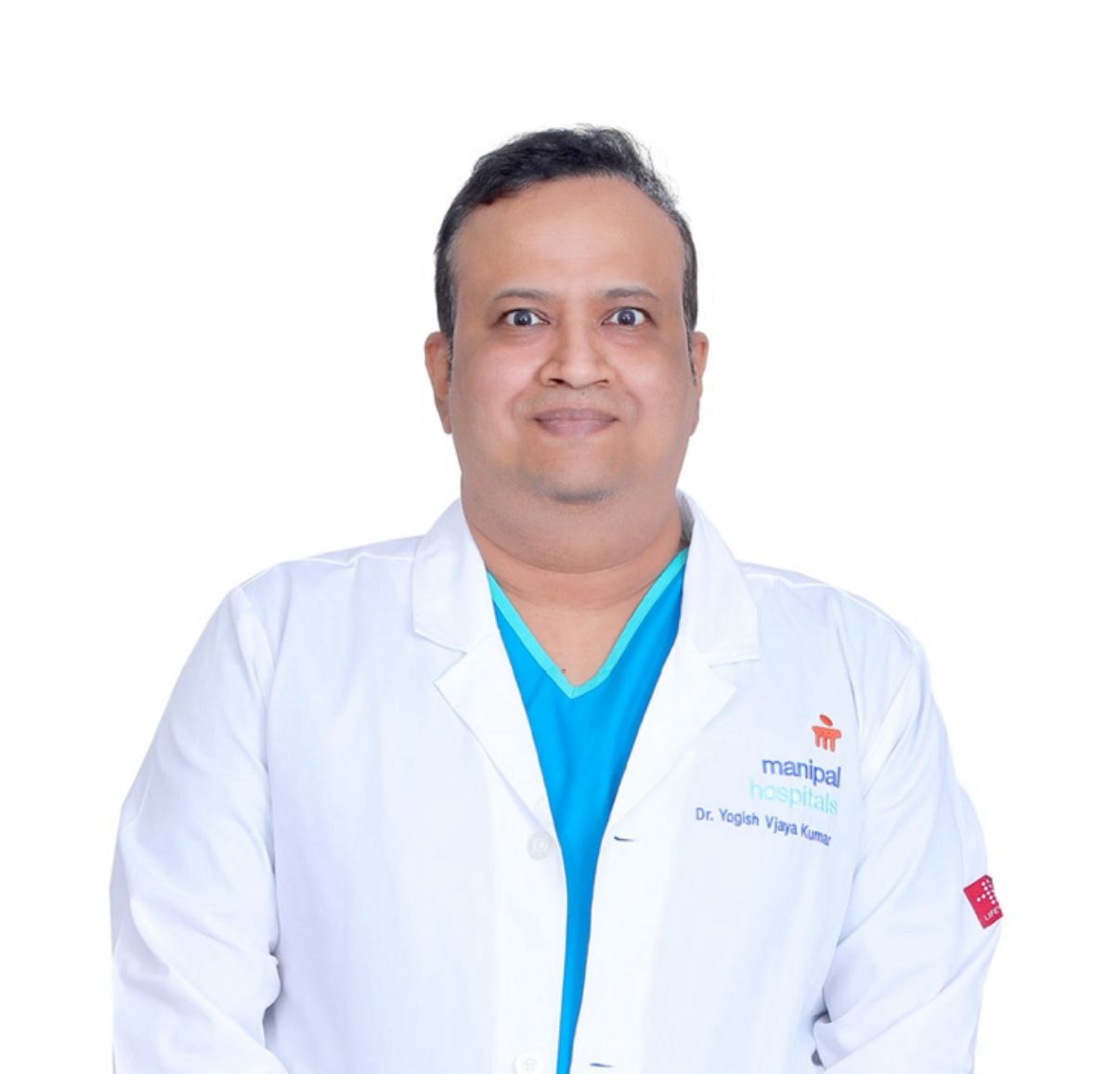
Dr. Yogish Vijaya Kumar
Senior Consultant – Orthopaedic & Robotic Joint Replacement Surgeon Specialist in Sports Injuries | Geriatric Orthopedics

What Our Client Says
Trustindex verifies that the original source of the review is Google. Nidhi and Dr Yogish were amazingly cooperative. It was a wonderful experience it was very first time surely will recommend. Thank you doctor and Nidhi was waiting for us and treating my parents. Really appreciatedTrustindex verifies that the original source of the review is Google. My father and mother have been treated by Dr Yogesh for their knee surgery. We could see amazing result post surgery and 100% satisfactory one. We are lucky to have such doctors and best asset to Manipal hospital..Trustindex verifies that the original source of the review is Google. Very balanced matured and gives appropriate treatment. May god bless the teamTrustindex verifies that the original source of the review is Google. Hands down the best orthopaedic surgeon I've ever met. Very polite and enormously knowledgeable. He operated on my mother's ACL tear and answered all our questions with patience. He was very helpful during the post-op procedures as well. I hope a lot more people benefit from you. God bless you. 🙏Trustindex verifies that the original source of the review is Google. Had a good experience with Dr Yogish... He rightly diagnosed the backache.. Highly recommended
based on 21 reviews