
Disc Prolapse
Accurate Diagnosis. Effective Relief. Minimally Invasive Care. By Dr. Yogish Vijaya Kumar
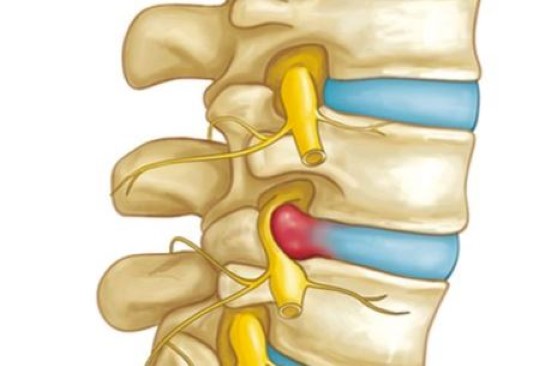
A herniated disc, also known as disc prolapse or slipped disc, occurs when the soft inner material of a spinal disc pushes out through a tear in the tougher outer layer. This can put pressure on nearby spinal nerves, causing pain, numbness, tingling, or weakness—most commonly in the lower back or neck.
Dr. Yogish Vijaya Kumar, with advanced training in orthopaedics and spine disorders, provides comprehensive care for herniated discs through precise diagnosis, non-surgical treatments, and minimally invasive procedures.
What Causes a Herniated Disc?
Age-related wear and tear (degenerative disc disease)
Sudden trauma or injury to the spine
Lifting heavy objects improperly
Repetitive movements or prolonged sitting
Poor posture or weak core muscles
Genetic predisposition
Common Symptoms
Symptoms vary depending on the disc’s location (neck or back) and nerve involvement:
Cervical Disc Prolapse (Neck):
Neck pain and stiffness
Radiating pain to the shoulder, arm, or fingers
Numbness, tingling, or weakness in the arm
Lumbar Disc Prolapse (Lower Back):
Lower back pain
Sciatica – shooting pain down one leg
Numbness or weakness in the leg or foot
Difficulty standing or walking
Diagnosis
Dr. Yogish uses a systematic approach to identify the source of your pain:
Thorough clinical examination and neurological tests
Imaging: X-rays, MRI, or CT scans for detailed disc and nerve visualization
Electrodiagnostic studies in selected cases
Treatment Options
Most herniated discs improve without surgery. Dr. Yogish offers:
Conservative care:
Medication for pain and nerve inflammation
Physiotherapy and spine-strengthening exercises
Epidural steroid injections for nerve root inflammation
Activity modification and posture correction
Surgical intervention is considered if:
Pain is severe and persistent
There’s significant nerve compression causing weakness
Conservative treatments fail
Minimally invasive discectomy or microdiscectomy may be performed to remove the herniated portion of the disc and relieve nerve pressure.
Why Choose Dr. Yogish Vijaya Kumar?
Expertise in spine disorders and nerve-related pain
Skilled in non-surgical and minimally invasive techniques
Focus on patient education, mobility, and long-term recovery
Compassionate, multidisciplinary care
Disc Prolapse Treatment in Jayanagar
Disc prolapse (slipped disc) can cause back pain, neck pain, sciatica, tingling, numbness, and weakness in the arms or legs. At Dr. Yogish Vijaya Kumar’s clinic in Jayanagar, Bangalore, we provide a step-by-step approach—clinical evaluation, imaging guidance when needed, and personalized treatment including medications, posture correction, physiotherapy, and advanced procedures for persistent nerve compression.
If your pain radiates to the leg/arm or affects daily activity, book a consultation for the right diagnosis and faster relief.
Back or neck pain shouldn’t slow you down.
Consult Dr. Yogish today for a customized treatment plan for disc prolapse and spine-related issues.
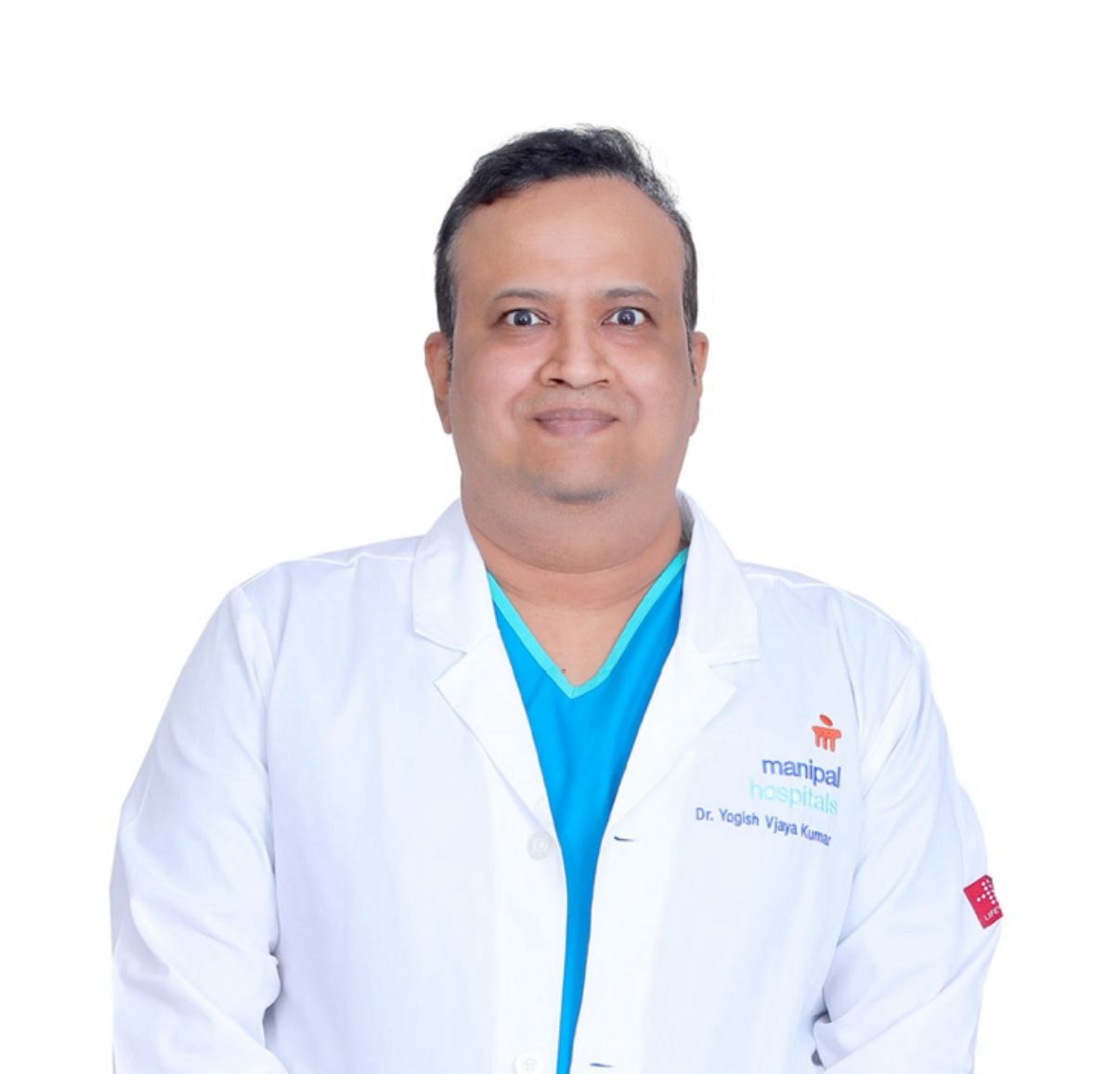
Dr. Yogish Vijaya Kumar
Senior Consultant – Orthopaedic & Robotic Joint Replacement Surgeon Specialist in Sports Injuries | Geriatric Orthopedics

What Our Client Says
Trustindex verifies that the original source of the review is Google. Nidhi and Dr Yogish were amazingly cooperative. It was a wonderful experience it was very first time surely will recommend. Thank you doctor and Nidhi was waiting for us and treating my parents. Really appreciatedTrustindex verifies that the original source of the review is Google. My father and mother have been treated by Dr Yogesh for their knee surgery. We could see amazing result post surgery and 100% satisfactory one. We are lucky to have such doctors and best asset to Manipal hospital..Trustindex verifies that the original source of the review is Google. Very balanced matured and gives appropriate treatment. May god bless the teamTrustindex verifies that the original source of the review is Google. Hands down the best orthopaedic surgeon I've ever met. Very polite and enormously knowledgeable. He operated on my mother's ACL tear and answered all our questions with patience. He was very helpful during the post-op procedures as well. I hope a lot more people benefit from you. God bless you. 🙏Trustindex verifies that the original source of the review is Google. Had a good experience with Dr Yogish... He rightly diagnosed the backache.. Highly recommended
based on 21 reviews