
Hip Replacement

Robotic Hip Replacement Surgeon and Hip Replacement Surgery in Jayanagar

If hip pain is limiting your walking, sleep, or daily activities, Hip Replacement Surgery in Jayanagar can help you regain mobility and long-term comfort. At Dr. Yogish Vijaya Kumar’s orthopedic clinic in Jayanagar, we focus on accurate diagnosis, the right implant selection, and a structured recovery plan to support a safe return to normal life. Book a consultation to evaluate your hip condition and treatment options.

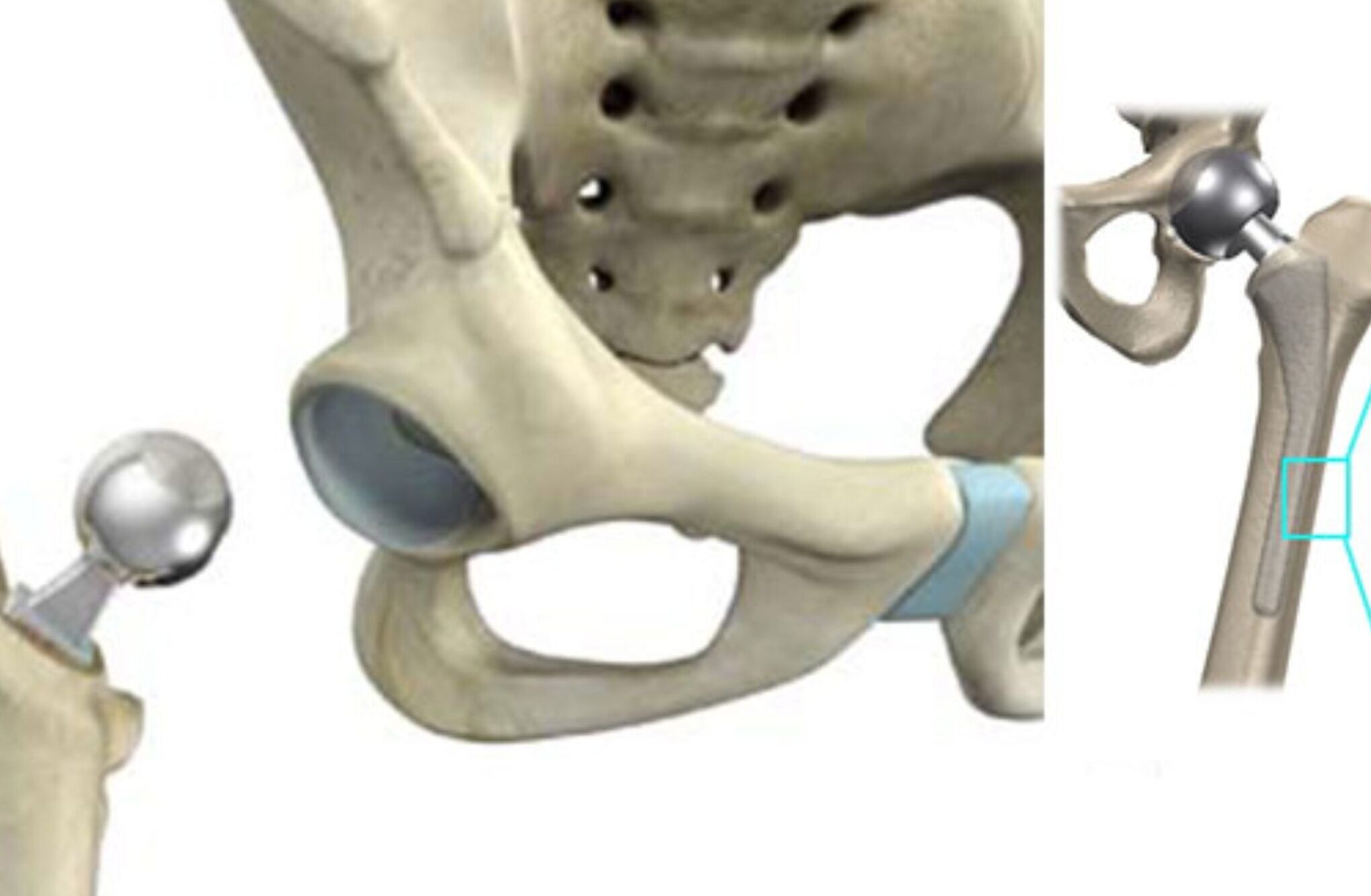
Hemi/Total Hip Replacement

During a hemiarthroplasty, the hip joint's inferior half is replaced surgically. The terms "arthroplasty" and "hemi" stand for "joint replacement," respectively. Total hip replacement refers to the replacement of the entire hip joint (THR). A hip fracture is often treated with a hemiarthroplasty.
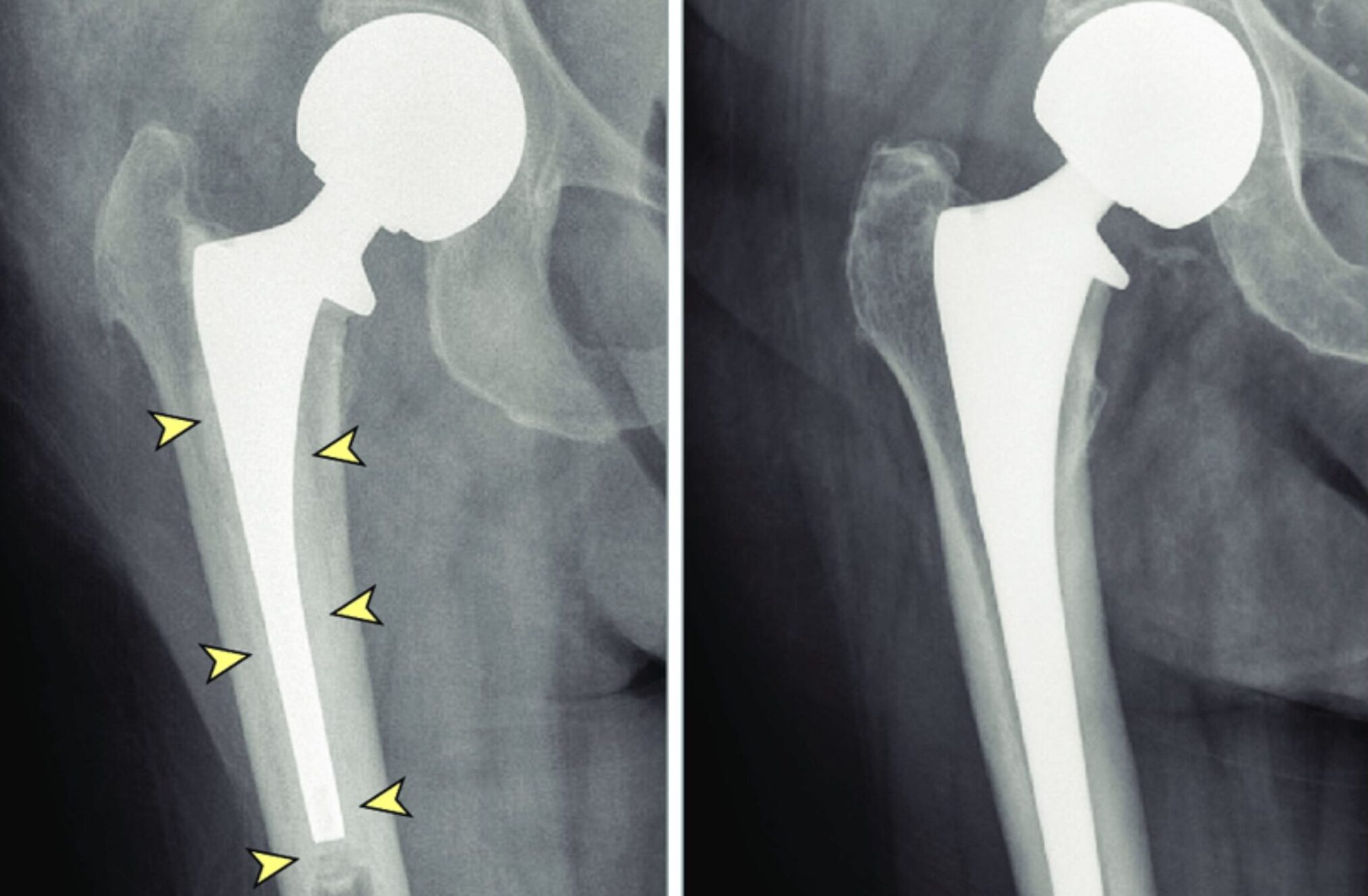
Cemented/Uncemented Hip Replacement

The method by which the prosthetic implant is secured to the native bone varies between cemented and uncemented hip arthroplasties. Bone cement is used in a cemented hip arthroplasty to secure the implants to the bone interface.
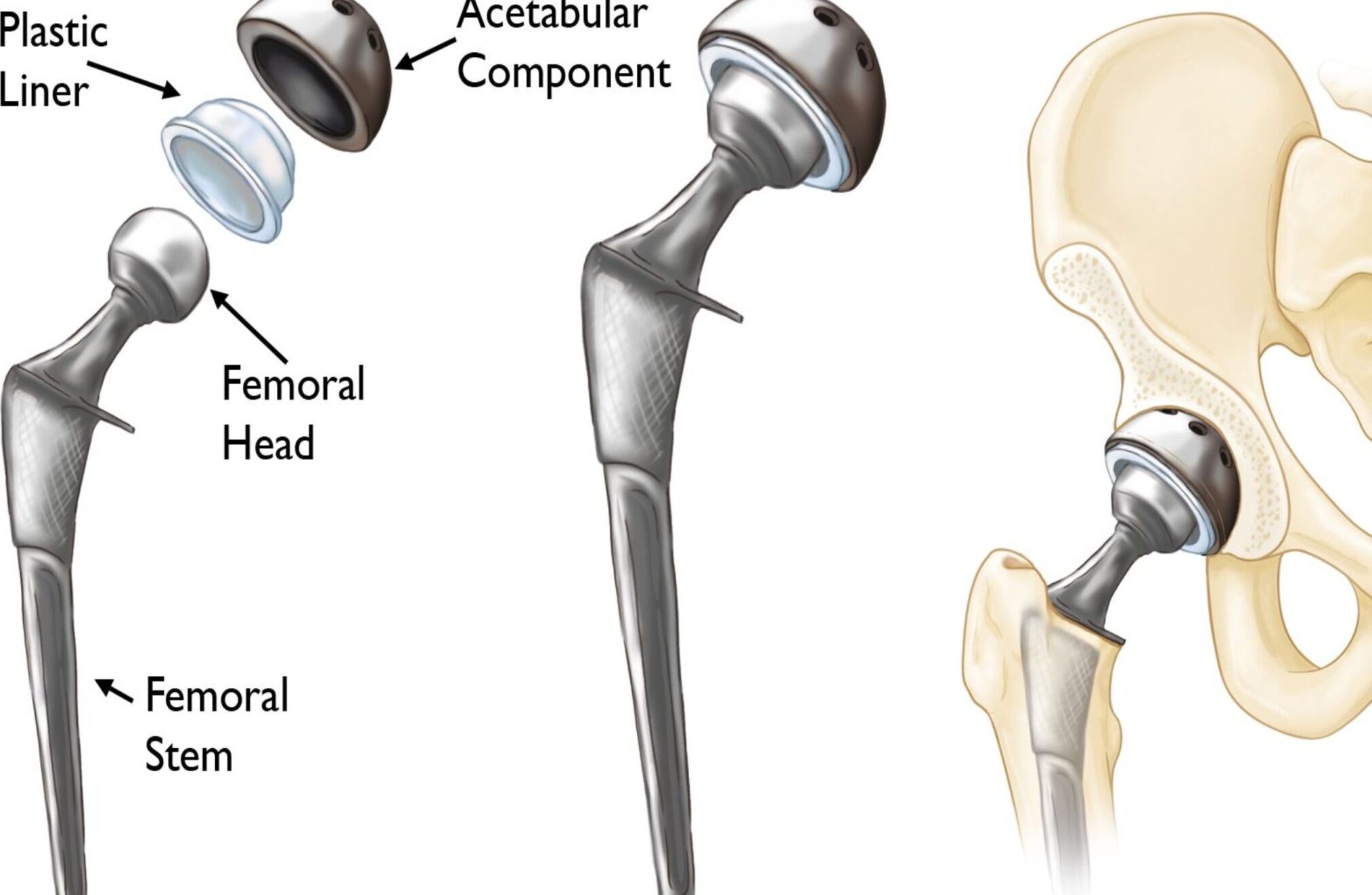
Minimally Invasive Hip Replacement

Hip replacement surgeries are carried out using a technique known as minimally invasive hip replacement. A smaller surgical cut is used. Less hip-supporting muscles are also severed or disconnected.
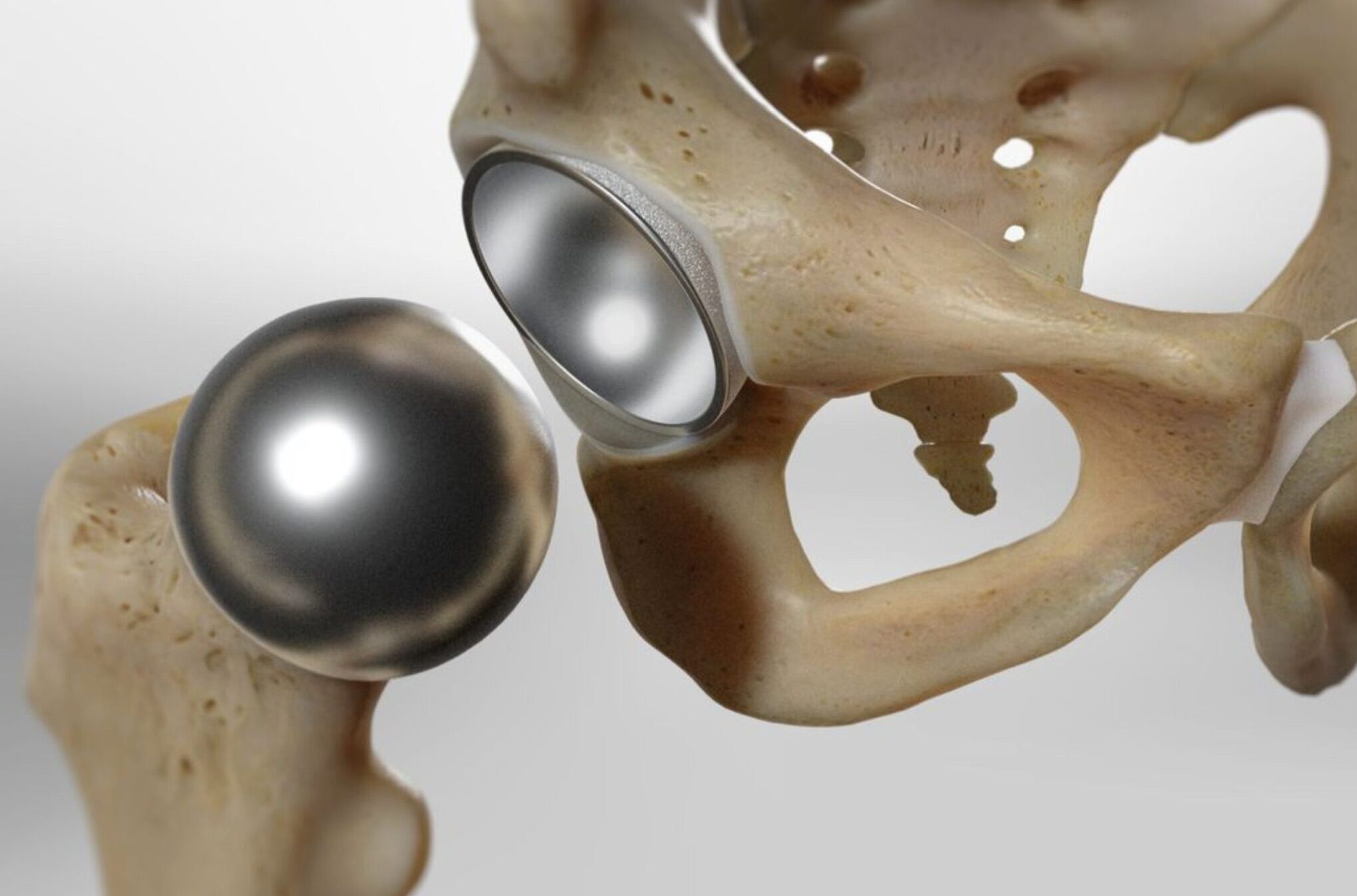
Hip Re-surfacing

Hip replacement surgery includes hip resurfacing. In order to relieve hip stiffness and discomfort brought on by osteoarthritis and other disorders, implants are employed. The implants replace the broken bone and tissue, enabling more fluid mobility. The greatest candidates for hip resurfacing are men under 60.
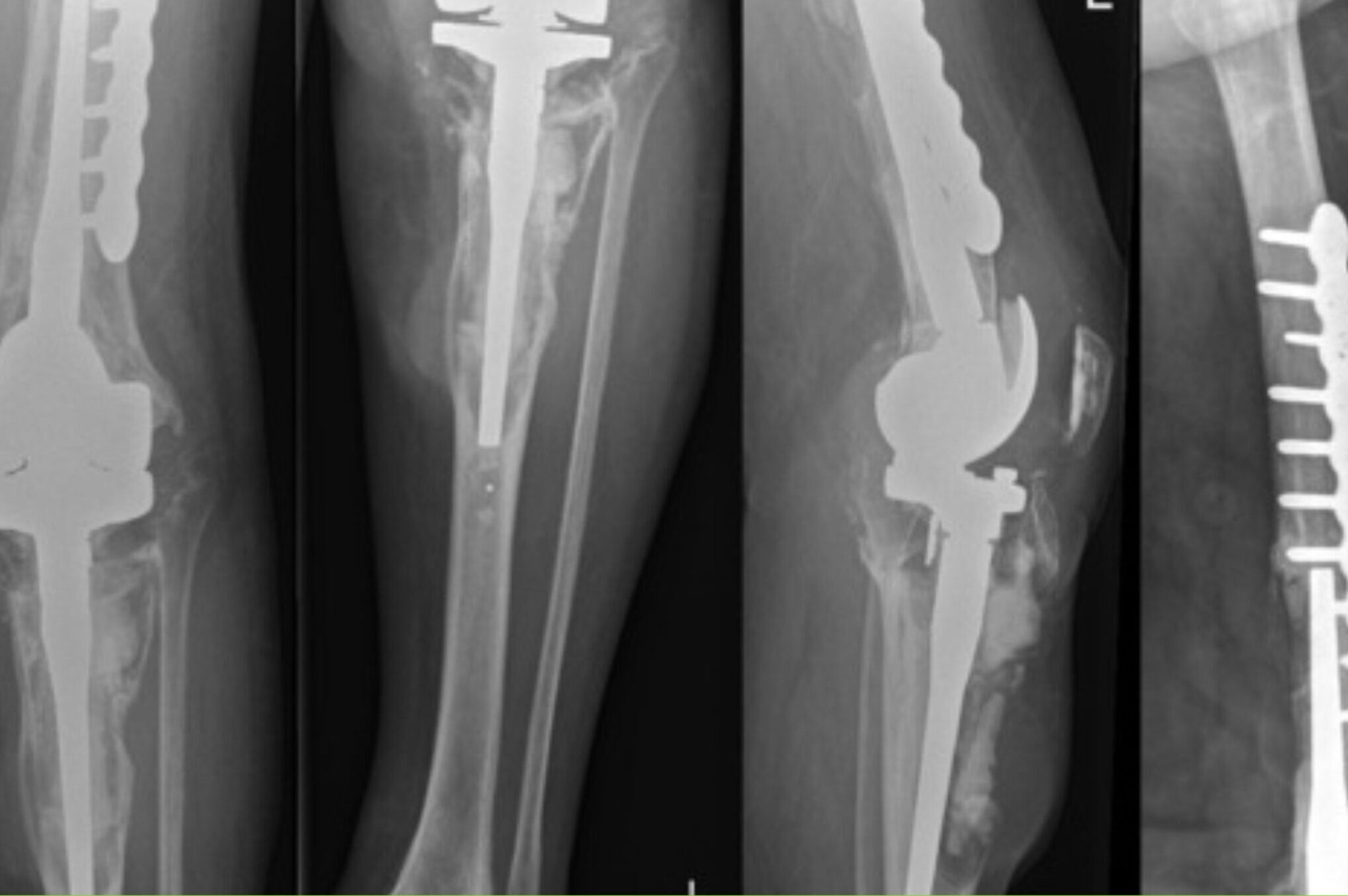
Revision for Aseptic Loosening/Infection

Aseptic loosening is the term for joint prosthetic failure that doesn't have a mechanical or infectious origin. Osteolysis (bone resorption) and an inflammatory cellular reaction within the joint are frequently linked to it.
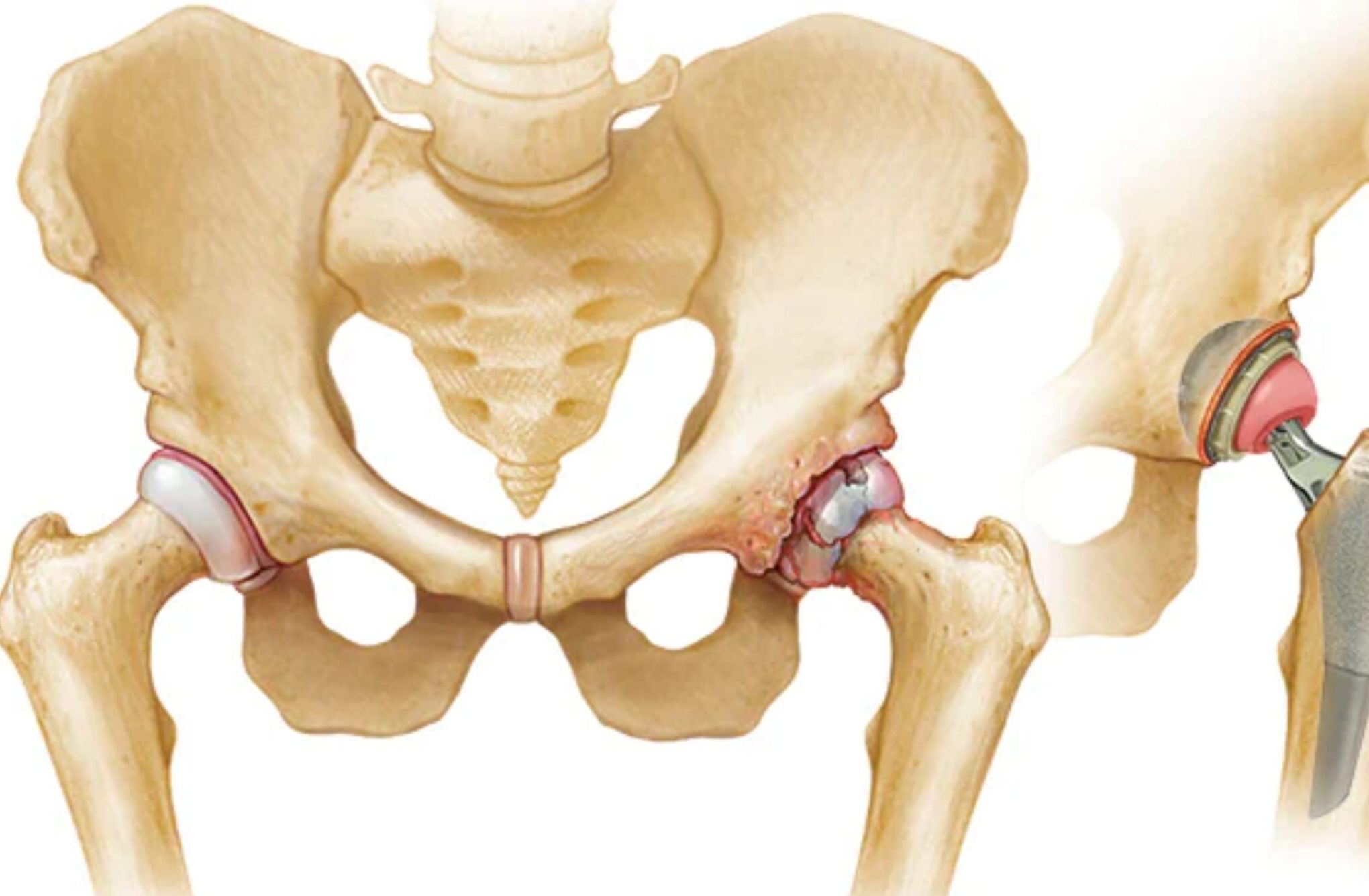
Evaluation of Painful Hip Post Hip Replacement

Gait analysis, paying specific attention to antalgic or Trendelenburg gait, assessment of hip joint range of motion and pain, strength testing of the muscles surrounding the hip joint, palpation of the painful area, and other special tests as needed should all be included in a physical examination.

Who needs hip replacement surgery?

Hip replacement surgery is recommended for patients suffering from severe hip pain, arthritis, joint damage, or stiffness that does not improve with medications, physiotherapy, or lifestyle changes. It is ideal when daily activities like walking, sitting, or sleeping are affected.

What is hip replacement surgery?

Hip replacement surgery is a procedure where a damaged hip joint is replaced with an artificial implant. This helps reduce pain, restore movement, and improve overall quality of life.

What is the recovery time after hip replacement surgery?

Most patients can start walking with support within 1–2 days. Basic recovery takes about 4–6 weeks, while complete recovery and return to normal activities may take 2–3 months depending on the patient’s health and physiotherapy.

When can I walk after hip replacement surgery?

Patients are usually encouraged to walk within 24–48 hours after surgery with the help of support and physiotherapy guidance.

How long does a hip replacement implant last?

Far far away, behind the word mountains, far from the countries Vokalia and Consonantia, there live the blind texts. Separated they live in Bookmarksgrove right at the coast

What conditions does Dr. Yogish Vijaya Kumar treat?

Dr. Yogish specializes in treating joint pain, fractures, arthritis, sports injuries, spine problems, and other orthopaedic conditions.

Do I need a referral to book an appointment?

No referral is needed. You can directly book an appointment through our website, phone, or in person.

What should I bring for my first consultation?

Please bring any previous medical reports, X-rays/MRIs, a list of medications, and a valid ID.

Are non-surgical treatments available?

Yes. We offer both surgical and non-surgical treatment options including physiotherapy, medications, and lifestyle guidance.