
Evaluation of Painful Hip Post Hip Replacement
Comprehensive Diagnosis & Solutions by Dr. Yogish Vijaya Kumar
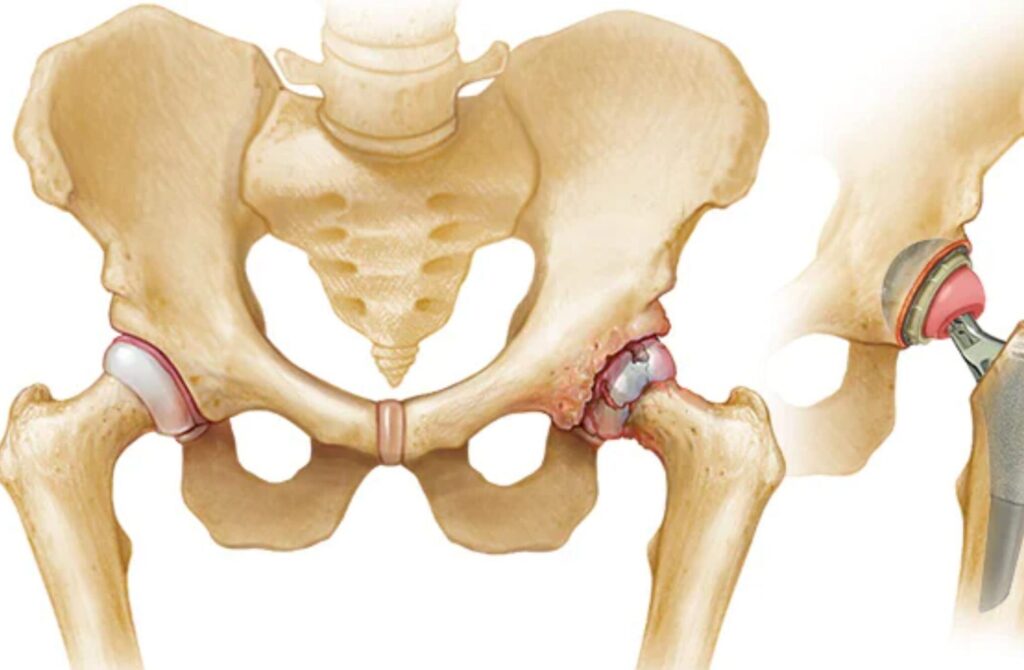
Expert Evaluation of Painful Hip After Hip Replacement in banashankari ,Jayanagar
While hip replacement is a highly successful procedure for relieving pain and restoring mobility, some patients may experience persistent or new-onset pain after surgery. Identifying the cause of this discomfort is essential to restoring joint function and improving quality of life. Dr. Yogish Vijaya Kumar, a specialist in complex hip conditions and revision surgeries, offers systematic evaluation and expert management of painful hips post-replacement.
Is Pain After Hip Replacement Normal?
Mild soreness in the weeks following surgery is common and part of the normal recovery process. However, persistent pain beyond the healing period (6–12 weeks), or pain that worsens over time, needs further investigation.
Common Causes of Post-Operative Hip Pain
Pain after a hip replacement can arise from various sources, including:
Aseptic loosening – implant losing its bond with the bone
Infection – even low-grade infections can cause chronic pain
Impingement or instability – malpositioned components causing mechanical symptoms
Periprosthetic fractures – small cracks around the implant
Heterotopic ossification – abnormal bone growth around the joint
Soft tissue or muscle imbalance – including abductor dysfunction
Nerve irritation or referred pain – from the spine or pelvis
Accurate diagnosis requires a detailed clinical evaluation and advanced imaging.
Evaluation Process by Dr. Yogish
At your consultation, Dr. Yogish performs a comprehensive assessment that may include:
Detailed clinical history and physical examination
X-rays or CT scans to assess implant position and loosening
Blood tests and joint aspiration to rule out infection
MRI (with metal artifact reduction) if soft tissue pathology is suspected
Gait and biomechanical analysis
This thorough approach ensures the root cause is identified, not just the symptoms.
Personalized Treatment Plans
Based on the diagnosis, treatment may involve:
Medication and physiotherapy for mild cases
Image-guided injections for pain relief and diagnosis
Surgical revision or realignment in cases of mechanical failure or infection
Debridement or liner exchange if infection is caught early
Why Choose Dr. Yogish Vijaya Kumar?
With his deep expertise in both primary and revision hip surgery, Dr. Yogish provides thoughtful, evidence-based care to patients struggling with hip pain after joint replacement.
Hip replacement surgery is a life-changing procedure, offering relief from chronic hip pain. However, some patients may experience discomfort post-surgery, especially during recovery. If you’re facing challenges with your hip after a hip replacement, Dr. Yogish Vijaya Kumar, a leading orthopedic surgeon in Banashankari, specializes in post-surgery care to help you regain mobility and manage pain effectively.
Symptoms like stiffness, limited mobility, or discomfort can sometimes persist after surgery, but with proper treatment, most patients experience significant improvement. Dr. Yogish offers personalized rehabilitation plans tailored to your needs, using advanced techniques to ensure the best possible recovery outcomes.
If your hip pain continues after surgery, don’t ignore it. Book a consultation today for expert evaluation and the right solution.
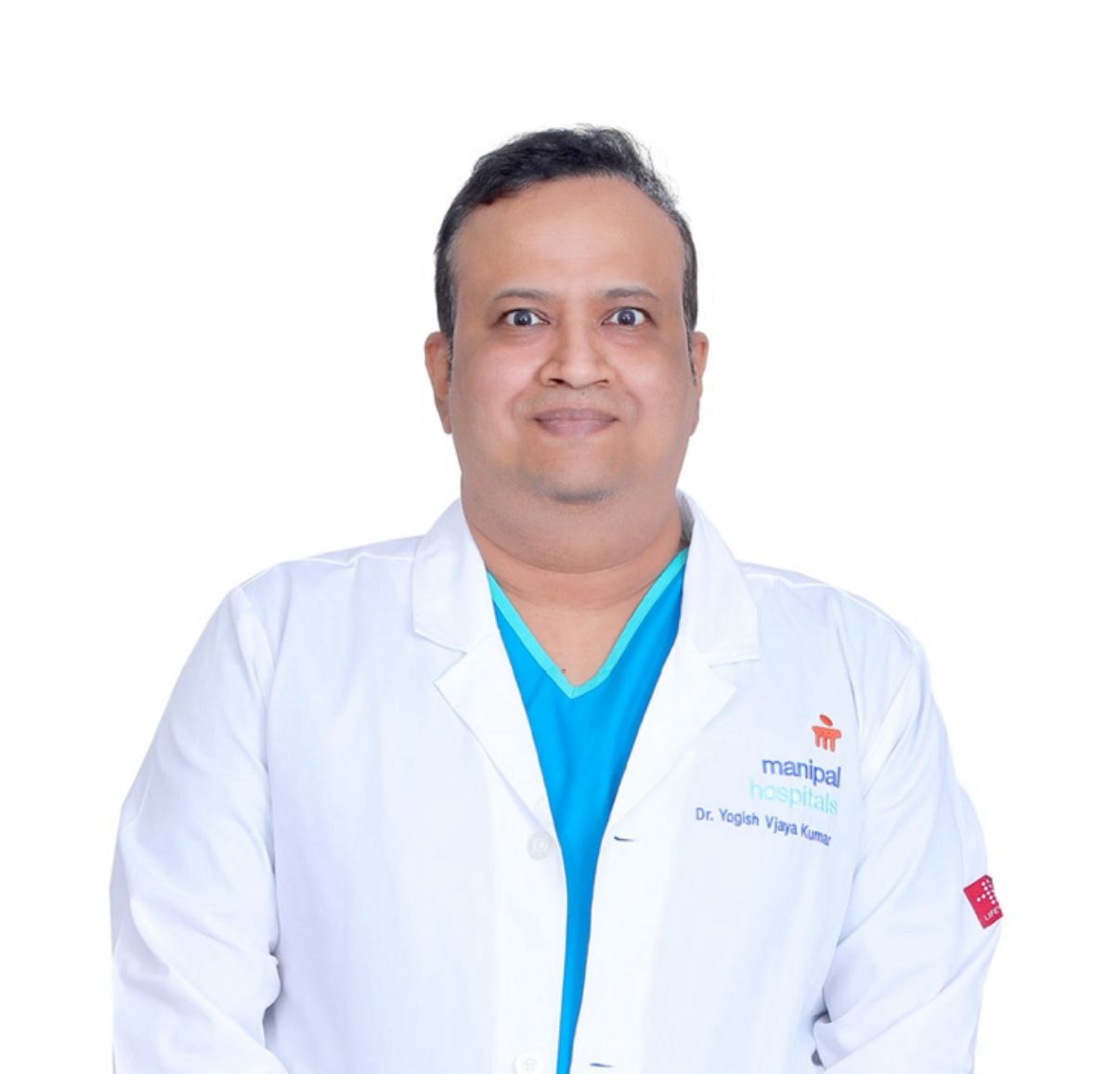
Dr. Yogish Vijaya Kumar
Senior Consultant – Orthopaedic & Robotic Joint Replacement Surgeon Specialist in Sports Injuries | Geriatric Orthopedics


What Our Client Says
Trustindex verifies that the original source of the review is Google. Nidhi and Dr Yogish were amazingly cooperative. It was a wonderful experience it was very first time surely will recommend. Thank you doctor and Nidhi was waiting for us and treating my parents. Really appreciatedTrustindex verifies that the original source of the review is Google. My father and mother have been treated by Dr Yogesh for their knee surgery. We could see amazing result post surgery and 100% satisfactory one. We are lucky to have such doctors and best asset to Manipal hospital..Trustindex verifies that the original source of the review is Google. Very balanced matured and gives appropriate treatment. May god bless the teamTrustindex verifies that the original source of the review is Google. Hands down the best orthopaedic surgeon I've ever met. Very polite and enormously knowledgeable. He operated on my mother's ACL tear and answered all our questions with patience. He was very helpful during the post-op procedures as well. I hope a lot more people benefit from you. God bless you. 🙏Trustindex verifies that the original source of the review is Google. Had a good experience with Dr Yogish... He rightly diagnosed the backache.. Highly recommended
based on 21 reviews